
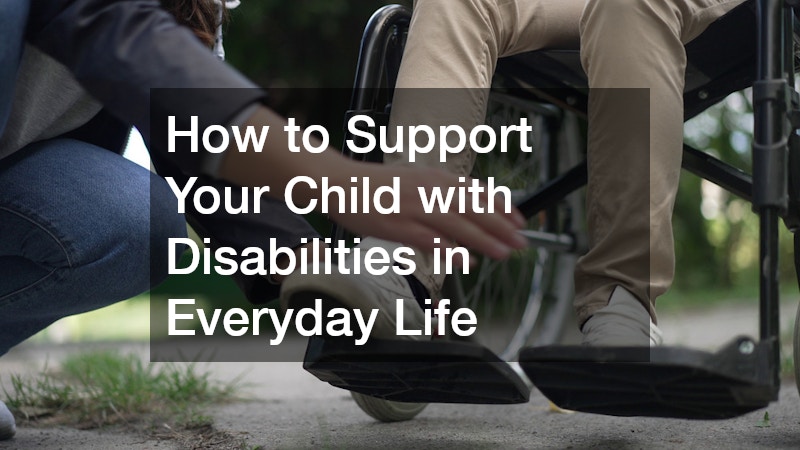
Supporting a child with disabilities is a deeply personal and ongoing journey. Each child has their own unique strengths, individual needs, and distinct ways of interacting with the world around them, and therefore, there is no one-size-fits-all approach to parenting. This journey is often characterized by the need to continuously adapt and learn about what works best for the child. Despite the varying approaches, what remains a steadfast truth is the significance of crafting an environment that not only encourages growth but also fosters independence and supports emotional well-being. Such an environment is crucial in helping the child thrive.
Parents and caregivers play a pivotal role in the lives of their children, and they are often tasked with managing a multitude of responsibilities that are essential for the well-being and development of young ones. These responsibilities not only demand time and effort but also require a compassionate and understanding approach. Below, we delve into the diverse range of duties that these caretakers manage daily and why each is integral to fostering a nurturing environment for their children.
One of the foremost responsibilities of parents and caregivers is to ensure the health of their child. This begins with scheduling and attending countless medical appointments, which are crucial for monitoring the child’s development and diagnosing any potential health issues early on. Regular visits to pediatricians, dentists, and specialists form the backbone of preventive care, allowing for vaccinations, health screenings, and advice on nutrition and physical activity. Ensuring that these appointments are kept is vital for tracking the child’s growth and making informed decisions about health management.
Build a Strong Foundation at Home with Daily Routines
Consistency is one of the most powerful tools you can use to support your child. Predictable routines provide a sense of stability and help children understand what to expect throughout the day. This is especially important for supporting child development, as repetition reinforces learning and builds confidence.
Start by establishing a structured daily schedule that includes time for meals, learning, play, therapy, and rest. While flexibility is sometimes necessary, maintaining a general rhythm helps your child feel secure.
Daily routines should be tailored to your child’s needs. For example, some children may benefit from extra time to transition between activities, while others may need frequent breaks to avoid overstimulation. Integrating these adjustments into your regular child care approach ensures that your child’s needs are consistently met.
You might consider:
- Using visual schedules or picture charts to outline the day
- Breaking tasks into smaller, manageable steps
- Repeating routines in the same order each day
- Offering gentle reminders before transitions
Over time, these habits help your child build independence and develop important life skills. The goal is not perfection but consistency and patience.
Modify Your Home for Accessibility and Comfort

Your home environment plays a major role in your child’s ability to move, explore, and feel comfortable. Making thoughtful modifications can significantly improve both safety and independence.
Start by identifying any physical barriers that may limit your child’s mobility or access. Simple changes, such as rearranging furniture or adding non-slip surfaces, can make a big difference. In some cases, larger adjustments may be necessary.
For example, installing a ramp can make it easier for your child to enter and exit the home safely. This is particularly helpful for children who use mobility aids or have difficulty with stairs. Similarly, working with a stair lift service can provide access to multiple levels of your home without requiring major structural changes.
Other accessibility improvements might include:
- Lowering shelves or frequently used items
- Installing grab bars in bathrooms
- Creating open, clutter-free pathways
- Using adaptive equipment tailored to your child’s needs
The goal is to create a space where your child can move as freely and safely as possible. When children feel physically supported in their environment, it encourages exploration and independence.
Choose the Right Care and Supervision Options
Finding the right support system outside of your immediate care can be both challenging and essential. Whether you need occasional help or regular assistance, it’s important to choose caregivers who understand your child’s specific needs.
When evaluating options, look for providers who have experience working with children with disabilities. They should be patient, adaptable, and willing to follow your child’s established routines.
Affordability is often a concern, and many families seek affordable child care solutions that still provide high-quality support. This may include community programs, specialized providers, or shared care arrangements with other families.
When selecting care, consider:
- The caregiver’s experience and training
- Their willingness to learn your child’s routines and preferences
- Communication style and responsiveness
- Consistency and reliability
Clear communication is key. Provide detailed instructions about your child’s needs, including medical information, behavioral strategies, and daily routines. Strong collaboration ensures continuity in your child’s child care experience and helps build trust over time.
Support Learning Through Inclusive Education Choices
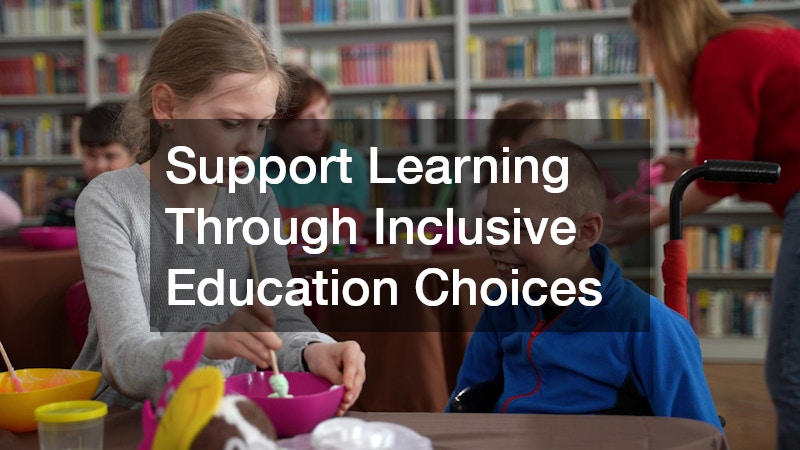
Education is an important part of your child’s development, not just academically but socially and emotionally. Choosing the right learning environment can have a lasting impact on their confidence and sense of belonging.
Early education programs, such as a local preschool, can provide valuable opportunities for social interaction and skill-building. However, it’s important to ensure that the program is equipped to support your child’s unique needs.
When evaluating schools or programs, look for:
- Inclusive policies and practices
- Access to specialized support services
- Staff trained in working with diverse learners
- Willingness to collaborate with families
Communication with educators is essential. Regularly discuss your child’s progress, challenges, and goals. If your child has an Individualized Education Program (IEP), stay actively involved in its development and implementation.
A supportive educational environment helps your child build relationships, develop new skills, and feel included. These experiences play a critical role in their overall growth.
Stay Prepared for Medical Needs and Emergencies
Children with disabilities may have unique medical needs that require careful planning and organization. Being prepared for both routine care and unexpected situations can help reduce stress and ensure your child receives timely support.
One important step is creating a centralized medical information file. This should include details such as diagnoses, medications, allergies, and emergency contacts. Having this information readily available can be invaluable in urgent situations.
Knowing where to go for immediate care is also essential. An urgent care clinic for children can be a helpful option for non-life-threatening issues that still require prompt attention.
To stay prepared:
- Keep medications organized and clearly labeled
- Maintain an updated list of healthcare providers
- Prepare your child for medical visits through simple explanations
- Practice emergency plans when appropriate
Being proactive about medical care helps you respond quickly and confidently when situations arise.
Understand Your Insurance and Financial Support Options

Managing the financial aspects of care can be one of the most complex parts of supporting a child with disabilities. Understanding your coverage and available resources is key to reducing stress and ensuring access to necessary services.
Medical insurance providers play a significant role in covering treatments, therapies, and equipment. However, policies can vary widely, so it’s important to review your plan carefully and understand what is included.
Take time to:
- Review coverage for therapies and specialized services
- Track claims and keep detailed records
- Ask questions about unclear policies or denials
- Explore additional assistance programs if needed
Budgeting for ongoing care can also help you plan for the future. While costs can add up, being organized and informed allows you to make better financial decisions and advocate for the support your child needs.
Advocate for Your Child’s Rights and Legal Support
Advocating for your child is one of the most important roles you will take on as a parent or caregiver. This includes ensuring they receive appropriate accommodations in educational, medical, and community settings.
In some situations, you may need additional support. Local disability lawyers can help you navigate complex legal issues, particularly when it comes to education rights or access to services.
Advocacy involves:
- Understanding your child’s rights under the law
- Keeping records of communications and agreements
- Speaking up when accommodations are not being met
- Seeking professional guidance when necessary
While advocacy can feel intimidating, it becomes more manageable over time. Staying informed and organized empowers you to make decisions that are in your child’s best interest.
Prioritize Emotional Well-Being for Your Child

Emotional health is just as important as physical and developmental support. Children with disabilities may face unique challenges that impact their self-esteem, confidence, and social interactions.
Creating a supportive environment begins with open communication. Encourage your child to express their feelings and validate their experiences. Let them know that their emotions are understood and respected.
In some cases, additional support may be beneficial. Mental health services can provide tools and strategies to help your child manage anxiety, frustration, or other emotional challenges.
You can also support emotional well-being by:
- Celebrating your child’s strengths and achievements
- Encouraging social connections and friendships
- Teaching coping strategies for difficult situations
- Modeling positive self-talk and resilience
A strong emotional foundation helps your child navigate challenges with confidence and build meaningful relationships.
Build a Strong Support Network for Your Family
Caring for a child with disabilities is not something you have to do alone. Building a network of support can provide both practical assistance and emotional encouragement.
This network may include:
- Family members and close friends
- Support groups for parents and caregivers
- Therapists, educators, and healthcare providers
- Community organizations and programs
Connecting with others who share similar experiences can be especially valuable. It provides an opportunity to exchange advice, share challenges, and celebrate successes.
It’s also important to recognize your own needs. Taking time to rest and recharge allows you to continue providing the best possible care for your child.
Encourage Independence and Celebrate Progress
Every child benefits from opportunities to build independence, and this is especially important for children with disabilities. Encouraging your child to develop life skills at their own pace helps foster confidence and self-reliance.
Start by setting realistic, achievable goals. Break tasks into smaller steps and provide guidance as needed. Over time, gradually reduce support to allow your child to take on more responsibility.
Celebrating progress—no matter how small—can have a powerful impact. It reinforces effort and helps your child feel proud of their accomplishments.
You might focus on:
- Teaching daily living skills like dressing or feeding
- Encouraging decision-making and choice
- Recognizing effort as much as outcome
- Adjusting expectations as your child grows
Independence looks different for every child, but the goal is always the same: helping them feel capable and confident in their abilities.
Supporting your child with disabilities in everyday life is a journey that requires patience, flexibility, and compassion. While challenges may arise, each step you take to create a supportive environment contributes positively to your child’s growth and well-being. It is important to recognize that these challenges, although demanding, are also opportunities for you and your child to learn, adapt, and grow together. Patience is key as development often progresses at its own unique pace, and being flexible allows you to respond to your child’s evolving needs effectively. Compassion, meanwhile, ensures that your child feels loved and understood, fostering a comforting atmosphere where they can truly flourish.
By focusing on routines, accessibility, education, emotional support, and advocacy, you can help your child navigate the world with greater confidence. Consistent routines provide a sense of stability and security, helping your child feel more in control of their daily life. Accessibility is crucial, as it ensures that your child can participate in activities and access spaces that are essential for their development and happiness. Education tailored to your child’s specific needs allows them to learn in a way that is most effective for them, while emotional support helps them to cope with feelings and challenges they may encounter. Advocacy is also vital, as it involves standing up for your child’s rights and ensuring they have access to opportunities, services, and accommodations that will enrich their lives. Remember that progress often happens in small, meaningful ways, and your efforts play a vital role in shaping your child’s future. Each small triumph builds the foundation for future success and independence.
With the right approach and support, you can create a life that empowers your child to thrive. It is about building a nurturing home environment where your child feels safe and capable of exploring their potential. By embracing each day with optimism and dedication, you contribute significantly to your child’s sense of empowerment and capability. Ultimately, your love, understanding, and commitment are the cornerstones for a fulfilling life where your child can achieve their dreams and aspirations.