
Moving into a new house is an opportunity to create a space that reflects your family’s lifestyle, preferences, and everyday needs. However, turning an unfamiliar property into a comfortable home takes more than unpacking boxes and arranging furniture. You also need to consider home security, heating and cooling, interior improvements, outdoor features, and ongoing maintenance. Planning these projects carefully can help you avoid unnecessary expenses while making progress on the upgrades that matter most.
Some improvements may need attention before moving day, while others can wait until you have spent time getting familiar with the property. From organizing the move to creating a backyard where everyone can relax and have fun, each decision contributes to your experience as a homeowner. With a practical plan, you can approach the transition one step at a time and build a home that supports your household for years to come.
Plan Your Move Around Your Household’s Priorities

A successful move starts with understanding what your household needs and choosing the right professionals to help. Before scheduling transportation, take inventory of your belongings, consider the size of your new property, and identify items that require special handling. Comparing the best movers can help you evaluate available services, pricing, scheduling, and experience with residential relocations.
Instead of choosing a provider based only on an estimate, review the details behind each quote. Ask about additional fees, transportation arrangements, insurance coverage, and policies for delays or damaged belongings. Also discuss any challenges involving stairs, narrow hallways, elevators, or limited parking.
Create a moving checklist that includes:
- Confirming your moving date and property access arrangements.
- Measuring large furniture to determine where it will fit.
- Scheduling utility transfers and service connections.
- Setting aside important documents and valuable belongings.
- Planning how children and pets will be cared for during the move.
Having these details organized ahead of time makes moving day easier to manage and gives you more time to focus on settling into your new surroundings. When comparing providers, consider hiring a local moving company familiar with the area and its logistical challenges.
Organize Packing to Make Unpacking Easier
Packing is often one of the most time-consuming parts of relocating, especially when you have accumulated years of furniture, clothing, kitchen supplies, and personal belongings. Start by sorting everything into categories: items to keep, donate, sell, or discard. Reducing the number of belongings you transport can make unpacking less complicated and help you avoid filling your new home with things you no longer need.
If you have a busy schedule or particularly fragile belongings, packing companies may be able to assist with preparing your household for transportation. Compare their services to determine whether you need help with the entire property or only specific rooms and items.
Use these strategies to stay organized:
- Label boxes with their contents and destination rooms.
- Wrap fragile items individually and clearly mark delicate boxes.
- Pack frequently used belongings separately from seasonal items.
- Keep medications, chargers, toiletries, and important documents accessible.
- Prepare an essentials box with supplies for your first few days.
Avoid packing every room at once without a system. Organizing boxes by destination makes it easier to prioritize unpacking and establish functional living spaces sooner.
Get Your New Home Ready Before the First Night
Ideally, you should inspect and prepare your new property before furniture and boxes arrive. Even if the previous occupants left the house in good condition, an initial walkthrough can help you identify cleaning needs, maintenance concerns, and small repairs that would be easier to address while rooms are empty.
Begin with the areas that affect everyday household routines. Check that the plumbing works, outlets are functional, appliances operate properly, and essential utilities are connected. Locate important controls, including the electrical panel, water shutoff, and thermostat. Knowing where these features are located can save time if an unexpected issue develops.
Before moving in, consider completing these tasks:
- Clean cabinets, closets, floors, and bathroom surfaces.
- Check doors and windows for damage or difficult operation.
- Test smoke alarms and carbon monoxide detectors.
- Replace air filters if their condition is unknown.
- Measure rooms and plan furniture placement.
You should also create a list of improvements that can wait. Separating immediate needs from cosmetic projects helps you manage your budget and avoid starting several renovations before you understand how you use the property.
Improve Home Security at Entry Points

A new house may have unfamiliar locks, entry systems, and access points. Before getting settled, review the property’s security features and consider which improvements would make your household more comfortable. Start with exterior doors, windows, garage access, and areas that may be poorly illuminated at night.
One option worth considering is front door camera installation. A camera can help you monitor visitors, deliveries, and activity near your main entrance. Depending on the system, available features may include motion detection, night vision, mobile notifications, video recording, and two-way communication.
Before selecting equipment, think about:
- Whether the camera provides a clear view of the entrance.
- How the system connects to your home’s Wi-Fi network.
- Whether you prefer battery-powered or wired equipment.
- How video recordings are stored and accessed.
- Whether additional cameras are needed for other entry points.
You should also update access codes, replace or rekey locks when appropriate, and review who has keys to the property. Combine technology with everyday precautions, such as locking doors and keeping valuable belongings out of sight. A consistent household security routine can make your new surroundings feel more familiar and secure.
Schedule Essential Heating and Cooling Maintenance
Heating and cooling systems play an important role in making a house comfortable throughout the year. However, you may not know how consistently the previous occupants maintained the equipment. Scheduling an inspection after purchasing a property can help you understand its condition and identify maintenance needs before seasonal temperatures change.
Qualified HVAC technicians can evaluate system operation, inspect accessible components, check airflow, and identify visible signs of wear.
As you become familiar with your heating and cooling equipment:
- Locate and learn how to use the thermostat.
- Find out which filters your system requires.
- Ask how frequently filters should be replaced.
- Check that vents are not blocked by furniture or belongings.
- Keep records of maintenance appointments and repairs.
Pay attention to rooms that remain noticeably warmer or cooler than others. These differences may indicate airflow concerns or other issues worth investigating. Understanding your system early helps you plan maintenance, recognize changes in performance, and make more informed decisions about future improvements.
Choose Indoor Features That Make the House Personal
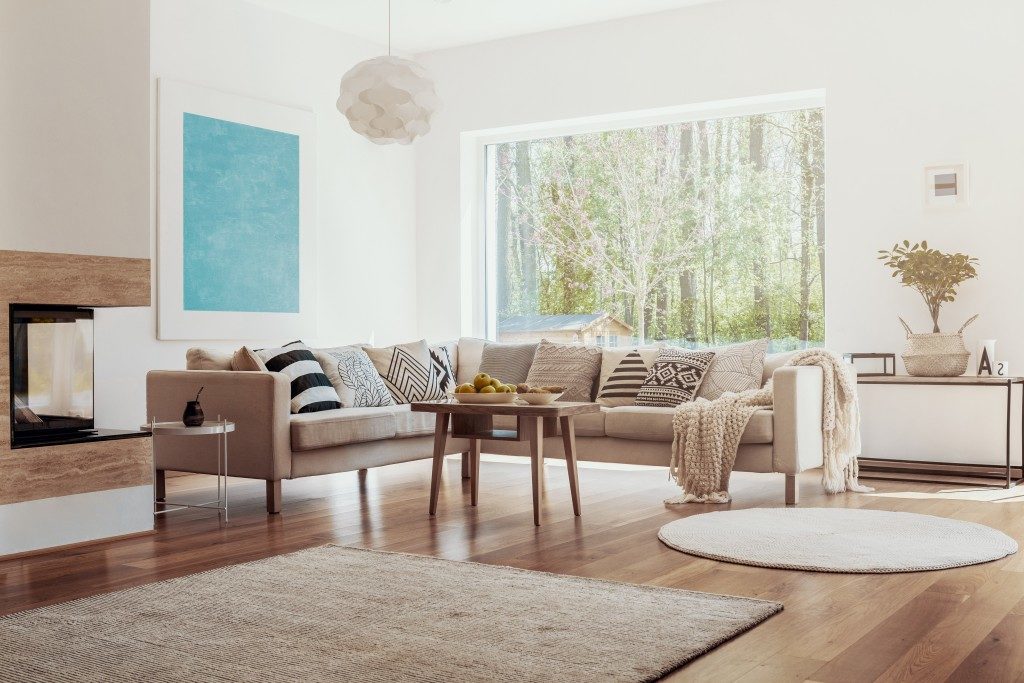
Once essential repairs and maintenance are addressed, you can start focusing on the details that make your house feel like home. Interior improvements do not always require major renovations. Sometimes, updating a focal point, changing lighting, or coordinating decorative finishes can give a room a more personalized appearance.
For example, fireplace surrounds can influence the overall style of a living room. Depending on the materials, colors, and design, a surround can complement a traditional interior or contribute to a more contemporary look.
Think about these details when planning interior upgrades:
- Select materials that complement existing flooring and wall colors.
- Consider how furniture placement affects the room’s focal points.
- Compare finishes based on appearance and maintenance requirements.
- Choose lighting that supports the room’s primary activities.
- Avoid making permanent design decisions before understanding how you use the space.
You can also introduce personal touches through artwork, rugs, curtains, and decorative accessories. Taking time to understand each room before committing to larger projects can help you create a cohesive interior without unnecessary spending.
Create Comfortable Outdoor Areas for Everyday Use

Your backyard can become an extension of your living space, providing room for outdoor meals, relaxation, and family activities. Before purchasing furniture or planning renovations, evaluate the property’s layout.
If your patio or deck receives significant direct sunlight, retractable awnings may provide a flexible shading option. These systems can extend when you want protection from the sun and retract when you prefer an open outdoor area.
Other ways to improve your outdoor space include:
- Arranging furniture to create comfortable conversation areas.
- Adding outdoor lighting for evening activities.
- Providing storage for cushions and outdoor accessories.
- Keeping walkways clear between the house and yard.
- Selecting plants suited to the property’s growing conditions.
Think about how your household will use the backyard before choosing permanent features. A practical layout can make outdoor areas more enjoyable without requiring extensive landscaping or construction.
Make the Backyard More Enjoyable for Children
If your household includes children, creating a backyard play area can make the property more enjoyable for the entire family. However, play equipment should be selected and positioned with available space, children’s ages, and safety considerations in mind.
Swing sets can provide an appealing play feature, but the right choice depends on your yard and the children who will use the equipment. Compare different sizes, materials, configurations, and installation requirements before making a purchase.
Keep these considerations in mind:
- Leave adequate clearance around the equipment.
- Follow manufacturer instructions for installation and anchoring.
- Use appropriate protective surfacing beneath and around play areas.
- Position equipment where adults can supervise children.
- Inspect hardware, connections, and surfaces periodically.
You should also consider how the play area will fit into the backyard as children grow. A flexible layout can leave room for additional activities, outdoor furniture, or future landscaping projects. Establishing household rules for outdoor play can further help children understand how to use the equipment appropriately.
Prepare Pool Areas for Relaxation and Entertaining
If your new property includes a swimming pool, take time to understand its features, maintenance requirements, and safety considerations before planning upgrades. Start by reviewing the condition of the pool, surrounding surfaces, access points, and existing equipment.
Some homeowners may consider a dance floor pool cover when looking for ways to make a pool area serve more than one purpose. This type of specialty feature may allow the space to be used for certain activities when the pool is not in use.
When evaluating pool improvements:
- Confirm compatibility with your pool’s dimensions and configuration.
- Review the manufacturer’s specifications and weight limitations.
- Understand the difference between specialty covers and safety covers.
- Consider how the feature will affect access and surrounding activities.
- Ask qualified professionals about installation and maintenance.
Do not assume that a specialty cover provides the same protection as a compliant pool safety cover. Choose equipment based on its documented purpose and maintain clear rules for pool access, especially when children or guests are present.
Establish a Maintenance Routine for Your New Property

After moving in and completing your initial improvements, establish a maintenance routine that keeps your property clean, functional, and enjoyable. New homeowners sometimes focus heavily on renovations and decorating while overlooking recurring responsibilities.
If you have pets, outdoor cleanup may be one of those recurring responsibilities. A dog waste cleanup service can help maintain a cleaner yard, particularly when your household has a busy schedule or multiple pets.
Your maintenance plan can include:
- Regular cleaning of indoor living areas and frequently used surfaces.
- Seasonal inspections of exterior features and landscaping.
- Routine heating and cooling system maintenance.
- Checks of outdoor play equipment and pool features.
- Tracking repairs, service appointments, and improvement projects.
Keep a household maintenance calendar and adjust it as you learn more about the property. You may discover that certain areas need attention more frequently than expected. A manageable routine helps you protect your investment while keeping your home ready for everyday activities.
Making a new house your own is a gradual process. Although moving day may feel like the biggest milestone, the decisions you make afterward will shape how comfortable, functional, and enjoyable your property becomes. Prioritizing essential maintenance, organizing your belongings, and addressing security concerns can give you a practical starting point. From there, you can focus on personalizing interior spaces, improving the backyard, and creating areas where family members can spend time together.
Remember that you do not have to complete every project immediately. Some improvements will become priorities once you understand your household’s routines and the property’s specific needs. Set a realistic budget, create a timeline, and tackle projects in an order that makes sense for your family. Whether you are updating one room or planning a larger outdoor improvement, thoughtful decisions can help transform an unfamiliar property into a place where you feel comfortable, make memories, and enjoy spending time.